
Start with the country and the complete sign
European sign systems share many recognisable features, but that does not make every sign, supplementary plate or legal effect interchangeable. Begin with the country where you will drive. Identify the symbol and any additional panel, then check which road users, direction, distance or circumstances the complete display concerns.
Separate three questions: what the sign tells you, where its instruction applies and what you need to do in the situation ahead. A direction arrow and a priority instruction answer different questions. Knowing the sign's name is useful, but understanding the decision it calls for is the goal.
Use the code and source link to compare the exact variant. A crossed-out sign, a different arrow or an additional panel can change the instruction. Do not rely on a small thumbnail when an important detail is unclear; enlarge the picture and return to its source.
Compare signs that can be confused
These are three Danish reference examples from the collection. Study them together and explain the distinction before revealing a learning card's answer.
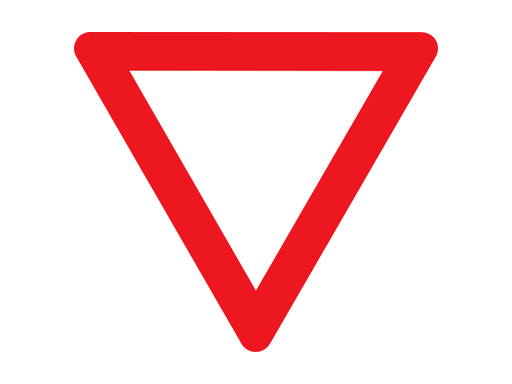
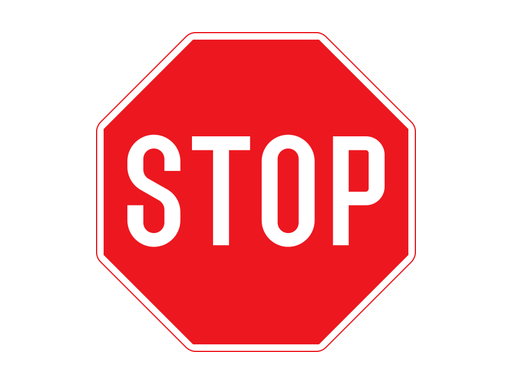
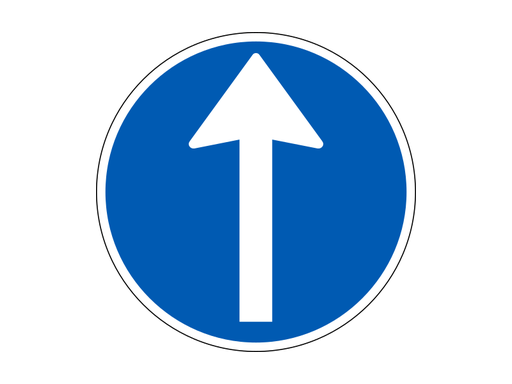
The source authority's English sign guide shows the priority examples on page 4 and mandatory-direction signs on page 9. The learning collection retains the source page so you can check the original context.
Know the scope of each reference collection
The Danish collection contains 420 cards: 207 illustrated entries from the identified English-language authority guide and 213 statutory additions. It includes signs, supplementary plates, selected markings and signals. Cards have Danish, English and Bengali learner names and concise explanations, with the original source attached.
The German collection contains 173 StVO entries, while the Irish collection contains 113 statutory entries. These preserve native source captions and identify their national source. Do not assume that every German or Irish meaning has been translated into all of the app's learning languages.
These figures describe the installed learning collections, not the total number of legal variants in each country. They do not establish complete European sign coverage. For countries without an imported atlas, the practice area provides the identified official reference rather than silently presenting Danish signs as local ones.
Practise recognition and application together
- Choose a small family. Start with priority, warning, prohibition, mandatory directions or information signs. Grouping related instructions makes small differences easier to notice.
- Hide the meaning first. Say what you think the sign requires, then reveal the card. Include any extra plate or applicable vehicle type in your answer.
- Connect it to a scene. Ask what you would observe, which decision changes and what you still cannot safely assume. Pair sign study with the relevant driving-theory topic.
- Save and revisit uncertainty. Use search, group filters and saved cards in the practice area. Return to a small set of difficult examples later, rather than repeatedly scrolling the whole catalogue.
Some source pictures begin as small statutory illustrations. Zoom helps inspect the complete image, but cannot create detail missing from the original. Source-linked artwork and technical checks do not replace independent instructor or professional translation review, which remain pending.
Read the national source
- Denmark: Færdselsstyrelsen's English road-sign guideThe authority publication behind the base Danish illustrated collection.
- Denmark: Bekendtgørelse om vejafmærkning, BEK 425/2023 (PDF)A statutory source for the supplementary collection; check subsequent amendments when applying the law.
- Germany: StVO Annex 1, Annex 2 and Annex 3Officially published German sign entries and explanations.
- Ireland: S.I. 433/2025 on the Irish Statute BookThe statutory source identified by the installed Irish collection.
When a card and an official source appear to disagree, use the source context and raise the issue through our contact page. Include the country, sign code and the detail you want checked.